Twelve deep dives into behavioral economics, market anomalies, and the hidden economics of everyday life. Filter by category, or start with the most recent.
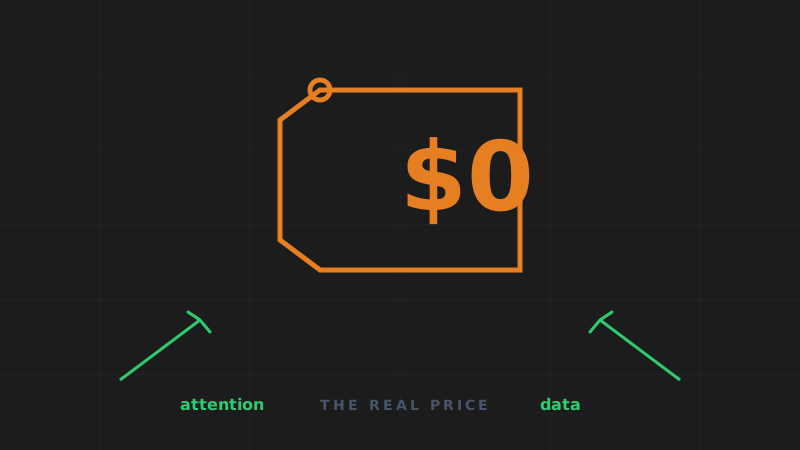
When the price is zero, the cost is hidden. You are usually what's being sold.
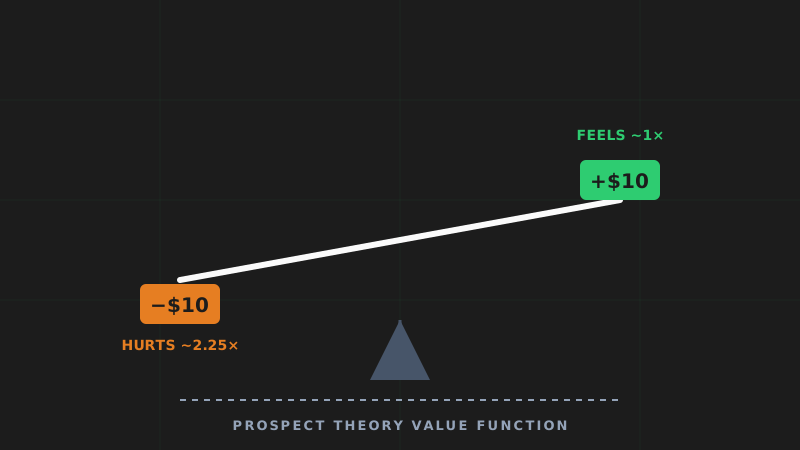
The asymmetry between gain and loss, and why it shapes insurance, investing, and more.
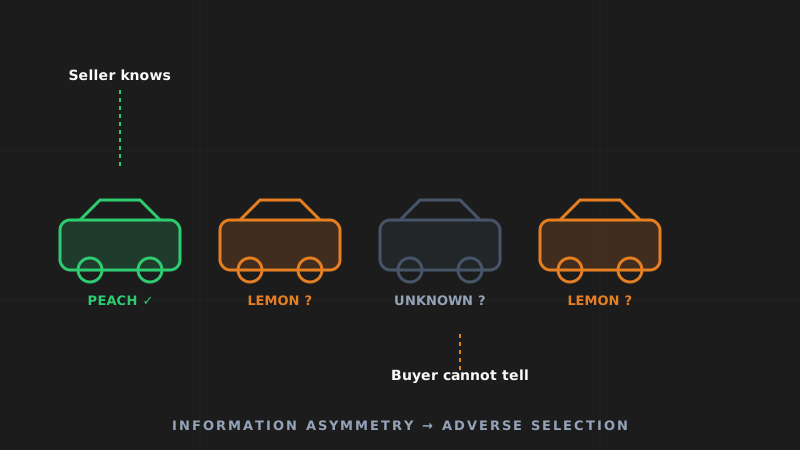
Akerlof's 1970 paper on information asymmetry — and why markets need signaling.
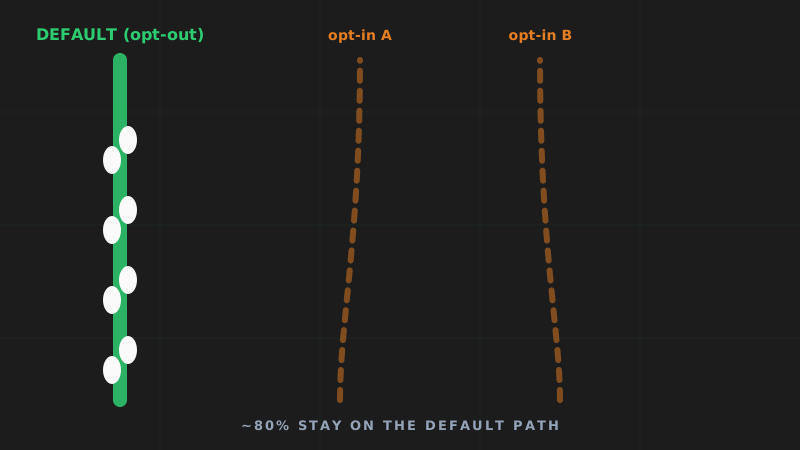
The most powerful lever in choice architecture is the option you don't choose.
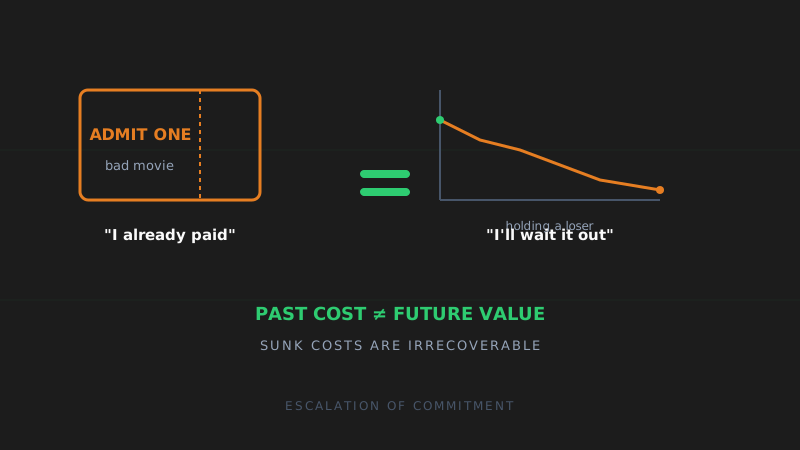
Letting irrecoverable costs dictate recoverable decisions — the Concorde fallacy.
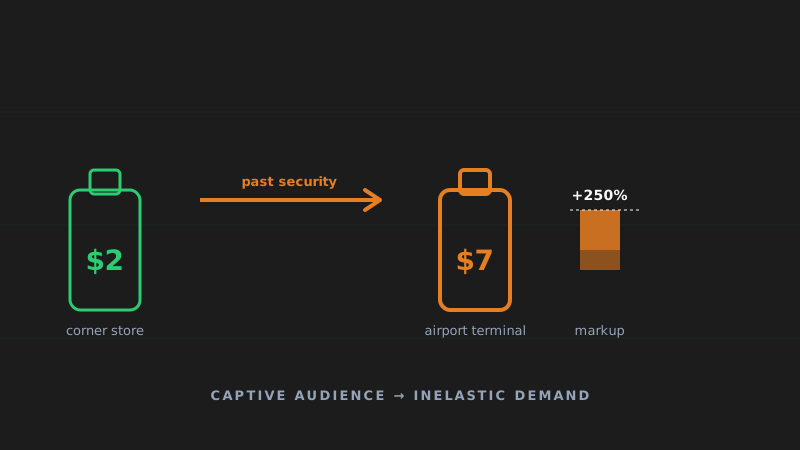
A 250% markup isn't greed — it's geometry. When exits are controlled, demand is inelastic.
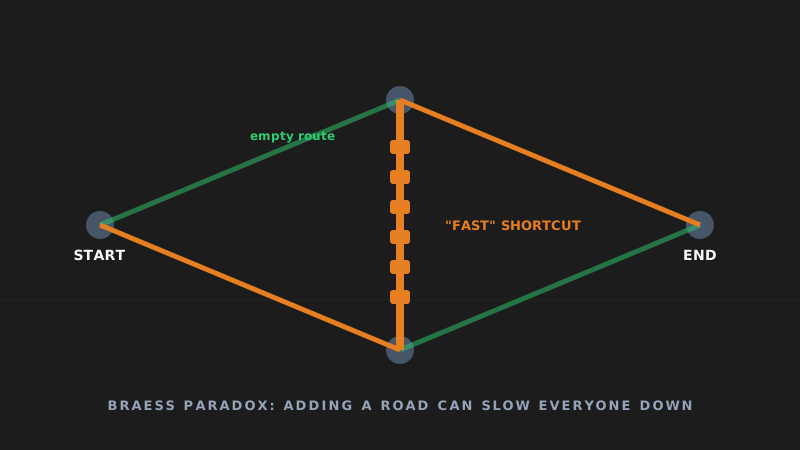
The Braess paradox — adding a road can increase travel time for everyone.
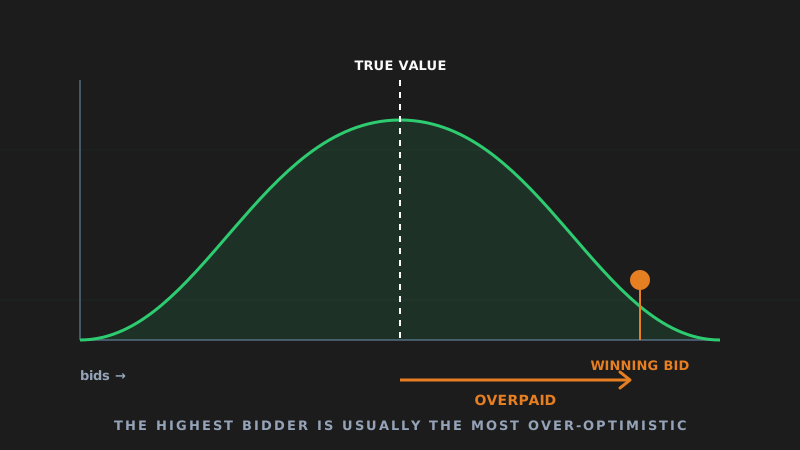
In a common-value auction, the highest bidder is usually the one who overestimated most.
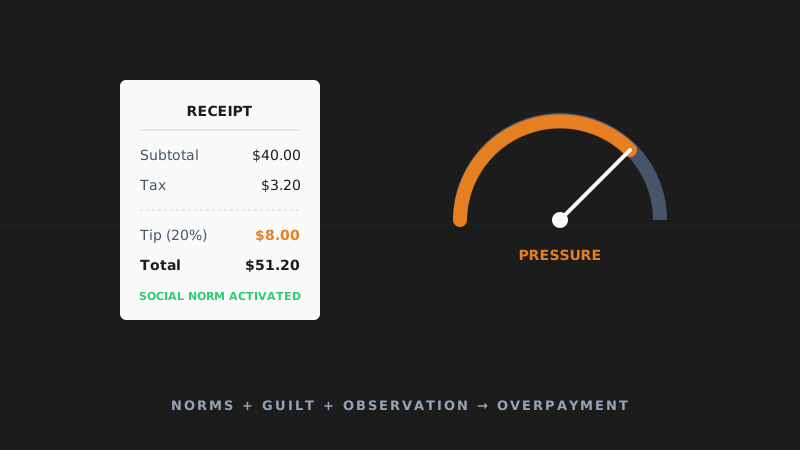
Tipping is a tax on guilt and observation — a pricing structure, not a reward system.
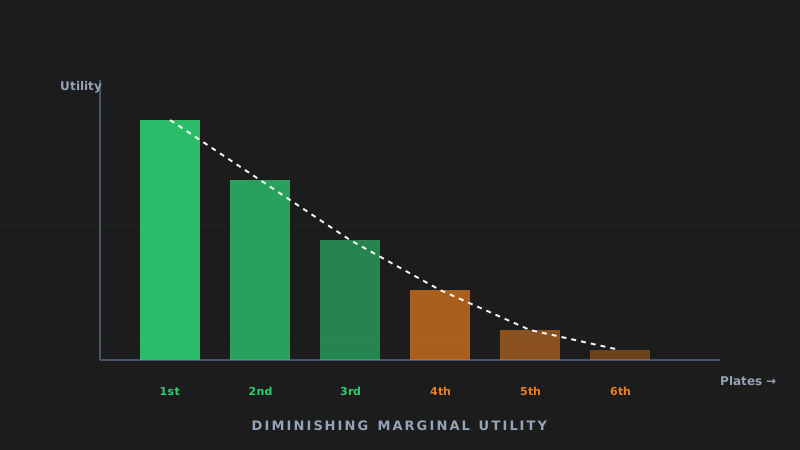
A fixed-price gamble where the house wins on volume and the customer chases diminishing utility.
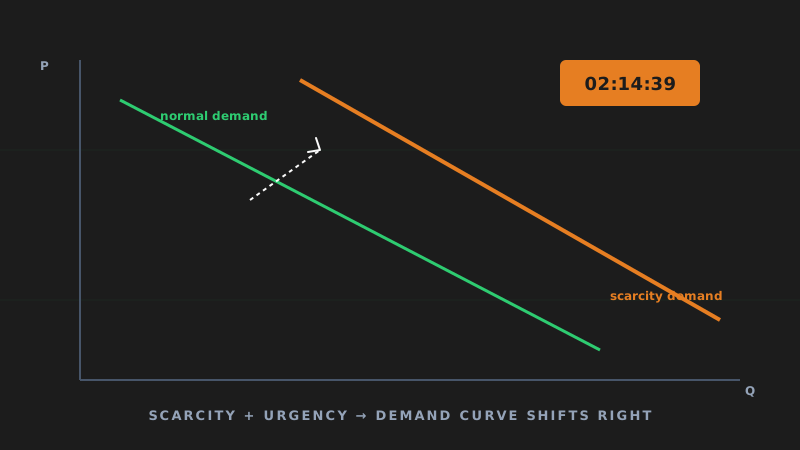
Limited time. Limited stock. The demand curve shifts right when scarcity is staged.
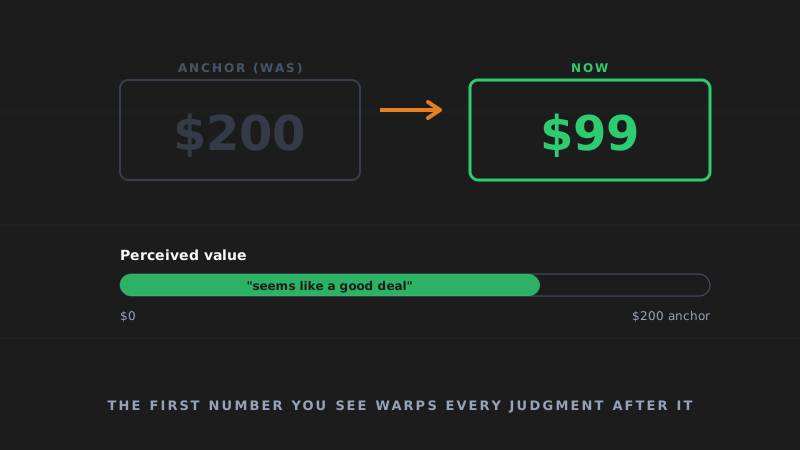
The first number you see warps every judgment after it. Why "was/now" pricing works.